Over 100 Imported Vegetable Oil Brands Flood Nigerian Market Despite Ban – VEOPAN
Producers accuse Customs, NAFDAC and SON of enforcement failure as smuggling threatens local investments and backward integration efforts.
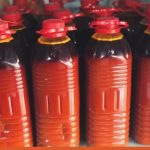
The Vegetable/Edible Oil Producers Association of Nigeria (VEOPAN) has raised concerns over the continued influx of imported vegetable oil into Nigeria despite an existing government ban. The association says over 100 foreign brands now dominate local markets, undermining local producers, discouraging investment, and exposing consumers to potentially unregulated products.
The National Chairman of the Vegetable/Edible Oil Producers Association of Nigeria (VEOPAN), Okey Ikoro, has expressed concern over the growing presence of imported vegetable oil brands in the Nigerian market despite the Federal Government’s ban on the product.
Speaking during an interview on Arise News, Ikoro revealed that more than 100 imported vegetable oil brands are currently being sold across the country, a development he said threatens local manufacturers and investors who have committed significant resources to expanding domestic production.
According to him, the vegetable oil industry initially recorded notable progress following the Federal Government’s decision to place vegetable oil on its prohibition list under the 2023 fiscal policy measures, which remained in effect through 2026.
Ikoro noted that the policy encouraged major industry players, including Okomu Oil, Presco and PZ Wilmar, to invest heavily in backward integration projects aimed at boosting local production capacity.
However, he alleged that enforcement of the ban weakened significantly between 2024 and 2025, allowing imported vegetable oil products to flood Nigerian markets.
“The policy gave protection to the industry and encouraged massive investments. But implementation collapsed, and the market became flooded with imported vegetable oil despite the prohibition,” he said.
The VEOPAN chairman accused the Nigeria Customs Service (NCS), the National Agency for Food and Drug Administration and Control (NAFDAC), and the Standards Organisation of Nigeria (SON) of failing to effectively enforce the import restriction.
He disclosed that members of the association recently intercepted three trailers transporting suspected smuggled vegetable oil through the Badagry corridor, highlighting what he described as the scale of illegal imports entering the country.
Ikoro warned that the influx of foreign products is causing financial losses for local producers who borrowed heavily to finance long-term investments in oil palm plantations and processing facilities.
He explained that oil palm cultivation is a capital-intensive venture with a gestation period of at least five years before investors can begin to recover their investments.
The VEOPAN chairman also raised concerns about the quality and safety of the imported vegetable oils, claiming that many of the products do not carry NAFDAC registration numbers or proper labeling.
“All vegetable oils produced locally undergo regular quality checks and fortification inspections by NAFDAC. Unfortunately, many of the imported products entering the market are not subjected to the same level of scrutiny,” he stated.
Ikoro urged relevant regulatory agencies to strengthen border surveillance and enforce existing import restrictions to protect local industries, safeguard consumer health, and encourage continued investment in Nigeria’s vegetable oil sector.