Sallah: Sheep Prices Rise to N1.2 Million as Economic Pressure Hits Eid Preparations in Nigeria
Traders cite insecurity, fuel price hikes, transport costs, and market challenges as livestock becomes less affordable ahead of Eid-al-Adha
Sheep prices in Nigeria have surged to as high as ₦1.2 million ahead of Eid-al-Adha, with traders and buyers blaming insecurity, rising fuel costs, transport expenses, and broader economic challenges for the sharp increase.
The cost of sheep in Nigeria has climbed sharply ahead of the Eid-al-Adha celebration, with prices reaching as high as ₦1.2 million amid worsening economic conditions, insecurity, and rising transportation expenses.
Traders at Kara Market, a major livestock trading centre along the Lagos–Ogun border, reported slow business despite the arrival of thousands of animals ahead of the festive season.
The market receives large numbers of livestock daily from northern Nigeria, where most of the country’s sheep are raised to meet increased demand during the annual Muslim celebration.
Although demand traditionally rises during Eid due to Nigeria’s large Muslim population, traders said consumers are purchasing less this year because of soaring prices.
According to traders, sheep now sell between ₦250,000 and ₦1.2 million depending on size, compared to ₦150,000 to ₦1 million during the same period last year.
Livestock dealer Abdullahi Bukar attributed the increase to insurgency in northeastern Nigeria, multiple taxation, and illegal levies encountered while transporting animals.
He also explained that security concerns continue to affect supply, as some livestock sellers avoid markets due to fear of attacks.
Data from risk consultancy SBM Intelligence indicated that more than 2,100 civilians lost their lives in violent incidents during the first quarter of the year, further highlighting the security challenges affecting commerce.
Buyers also expressed frustration over the high prices. One shopper said he had initially been quoted ₦1.2 million for a moderately sized sheep and eventually purchased a more affordable option for around ₦400,000.
Transport costs have become another major factor contributing to the increase.
Traders who travel long distances to deliver livestock to southern markets reported that transportation expenses have more than doubled, largely due to higher petrol prices.
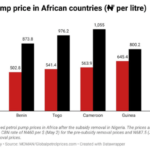
Fuel prices have reportedly increased from around ₦850 per litre to more than ₦1,320 per litre in many parts of the country, placing additional pressure on both traders and families planning to travel for the celebrations.
Some Nigerians said they may cancel holiday travel plans because of rising transport fares and security concerns.
Livestock traders also reported paying substantial costs at checkpoints and state levies while moving animals across the country.
Import costs and exchange rate fluctuations have further added to the burden, particularly for traders sourcing livestock from neighbouring countries.
Despite the rising expenses, some buyers maintained that Eid celebrations would continue, noting that purchasing sheep is not the only way to observe the festival.