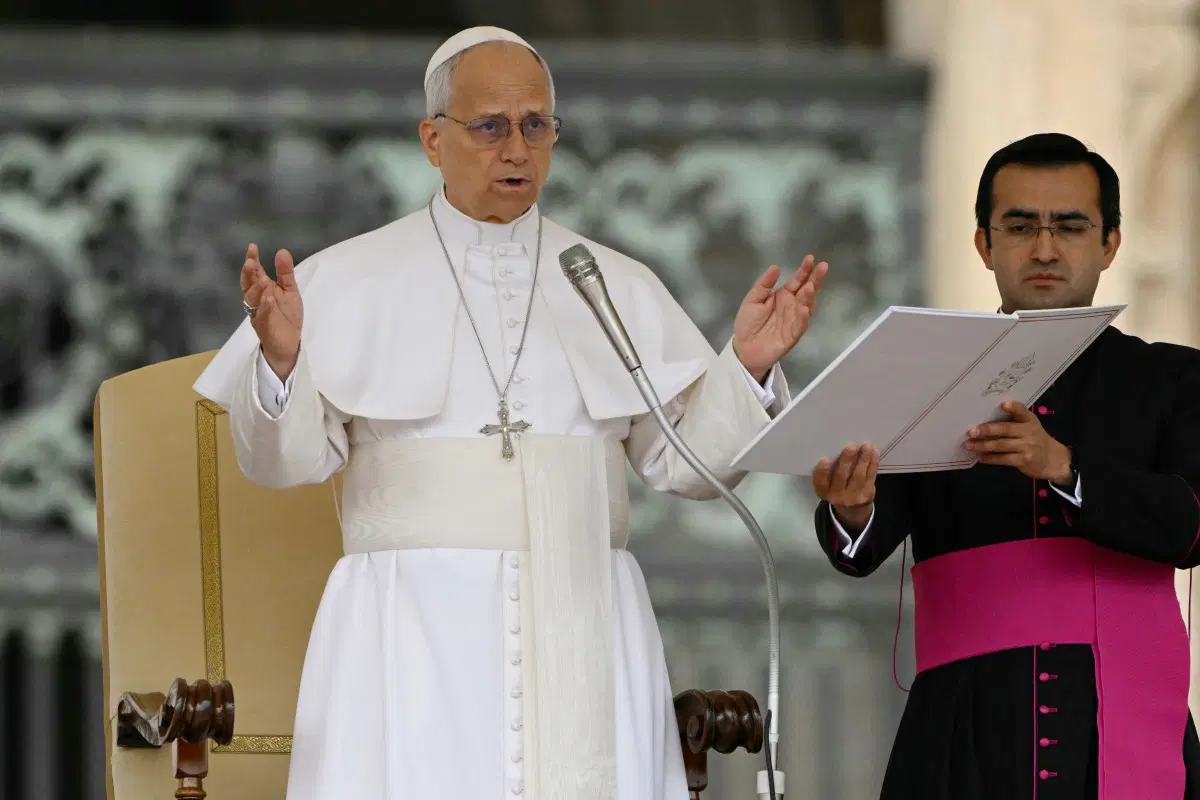
Pope Leo XIV to Unveil Major AI Manifesto on Ethics and Human Impact
Vatican prepares release of landmark encyclical addressing artificial intelligence, digital responsibility, and the future of humanity.
Pope Leo XIV is set to release a major manifesto on artificial intelligence aimed at confronting the ethical, social, and human consequences of rapidly advancing technology. The document is expected to outline the Catholic Church’s position on AI governance, human dignity, and responsible innovation.
Pope Leo XIV will on Monday unveil a major policy document on artificial intelligence, marking a significant moment in the Catholic Church’s engagement with emerging technologies and their impact on society.
The document, titled Magnifica Humanitas (Magnificent Humanity), is expected to address the ethical, social, and environmental challenges linked to the rapid development of AI across the world.
In a historic move, the pope will personally attend the presentation of the encyclical at the Vatican — an uncommon step that highlights the importance the Church places on the issue.
The event will bring together officials of the Holy See alongside leading voices from the technology sector, including a co-founder of Anthropic, one of the prominent companies shaping the global AI industry.
Pope Leo XIV has repeatedly expressed concern about the unchecked growth of artificial intelligence, particularly in military applications. He has warned against allowing machines to make life-and-death decisions and criticised the expansion of autonomous technologies in warfare.
Since assuming office as the first American pope a year ago, Leo has continued to caution about broader risks associated with AI, including what he described as the replacement of human experience with simulated realities and the environmental impact caused by the extraction of materials needed to power modern technologies.
Global institutions have also raised concerns over the future of AI. International projections suggest the sector could expand into a multi-trillion-dollar industry within the next decade, while increasing concerns remain over inequality, concentration of wealth, and governance.
Observers believe Magnifica Humanitas could become one of the defining documents of Leo’s papacy, drawing comparisons with Pope Francis’s influential climate-focused encyclical Laudato Si, which shaped global conversations on environmental responsibility.
The new document builds on years of Vatican engagement with technology policy, including the launch of the Rome Appeal for AI Ethics in 2020, which promoted the development of technologies that respect human dignity and social responsibility.
The encyclical is also expected to highlight the importance of digital literacy, transparency in algorithm design, and ensuring that technological advancement remains centred on human values rather than replacing them.