Petroleum sector reforms attract fresh investments and strengthen local refining, but oil theft, low production, gas flaring and refinery setbacks continue to weigh on the industry.
Nigeria’s oil and gas sector has witnessed significant reforms under President Bola Tinubu’s administration, leading to increased investment inflows, stronger indigenous participation and improved crude supply to local refineries. However, persistent challenges including oil theft, weak exploration activities, gas flaring and instability in the downstream sector continue to threaten long-term growth.
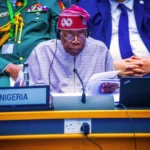
President Bola Tinubu’s administration has implemented sweeping reforms in Nigeria’s oil and gas industry aimed at improving transparency, attracting investment and strengthening domestic refining capacity.
The reforms led to the restructuring of petroleum contracting processes, increased direct remittances into the Federation Account and the introduction of fiscal incentives targeted at boosting investments in non-associated gas, deepwater and midstream projects.
Under the new directives, all government petroleum revenues — including royalties, tax oil, profit oil and gas proceeds — are to be remitted directly into the Federation Account, while the Nigerian National Petroleum Company Limited (NNPCL) lost powers to make certain deductions.
The administration also introduced tax incentives for operators achieving cost-saving benchmarks and compressed petroleum contracting cycles to six months in a bid to improve ease of doing business and attract capital inflows.
In March 2026, the Federal Government established the Presidential Petroleum Reform Task Force to coordinate the next phase of reforms and strengthen investor confidence in the sector.
Despite the reforms, the industry has also witnessed a major wave of divestments by International Oil Companies (IOCs), including Shell, Eni, TotalEnergies and ExxonMobil, which have reduced their exposure to onshore and shallow-water operations.
Indigenous firms such as Oando Plc and Renaissance Africa Energy have emerged as major buyers of the divested assets, significantly altering ownership patterns within Nigeria’s upstream sector.
Industry stakeholders believe local operators may possess better understanding of host community relations and the complexities of operating in the Niger Delta, although concerns remain regarding financing, environmental management and operational efficiency.
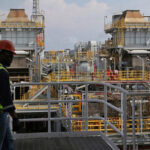
The Tinubu administration also oversaw the emergence of the Dangote Petroleum Refinery, regarded as the country’s first major private-sector refinery project, alongside efforts to increase crude supply to domestic refineries in line with provisions of the Petroleum Industry Act (PIA).
Improved crude allocation to local refineries has enhanced domestic refining capacity and boosted exports of refined petroleum products to other African markets.
However, Nigeria’s oil exploration and production activities have remained below expectations despite ongoing reforms.
Data from the Organisation of the Petroleum Exporting Countries (OPEC) showed declining exploration activity and reduced rig counts, while the country continued to struggle to meet its OPEC production quota.
Although crude oil production improved marginally in 2026, total output remained below the Federal Government’s budget benchmark.
The industry also continues to battle pipeline vandalism, crude oil theft and illegal refining activities, particularly in the Niger Delta, where sabotage and insecurity continue to undermine production growth and discourage investment.
In the gas sector, production and utilisation levels improved under the reforms, but gas flaring persisted due to inadequate infrastructure and insufficient gas gathering systems.
According to regulatory data, Nigeria flared more than 203 billion standard cubic feet of gas in 2025 despite ongoing efforts to commercialise gas resources and improve domestic supply.
Meanwhile, Nigeria’s downstream petroleum sector has undergone a major transition following the removal of fuel subsidy in 2023.
While deregulation improved fuel availability and eliminated long queues, pump prices rose sharply, increasing transportation costs and reducing consumers’ purchasing power.
Marketers have also faced rising operational costs, foreign exchange challenges and difficulties accessing dollars for fuel importation, leaving NNPCL as the dominant importer of refined products.
The operational launch of the Dangote Refinery, however, marked a significant milestone in domestic refining and is expected to gradually reduce dependence on imported petroleum products.
Despite the reforms and some measurable gains, analysts maintain that the sector still faces deep-rooted structural problems, including weak infrastructure, low exploration activity, environmental challenges and inconsistent refinery operations.
They stressed that sustaining reforms, improving security and ensuring regulatory stability will be critical for Nigeria to fully unlock the economic potential of its vast oil and gas resources.