Vance Says Progress Made as US–Iran Ceasefire Deal Awaits Trump Approval
Washington and Tehran near agreement on extending fragile truce, but final decision depends on Donald Trump as regional tensions and ceasefire violations continue.
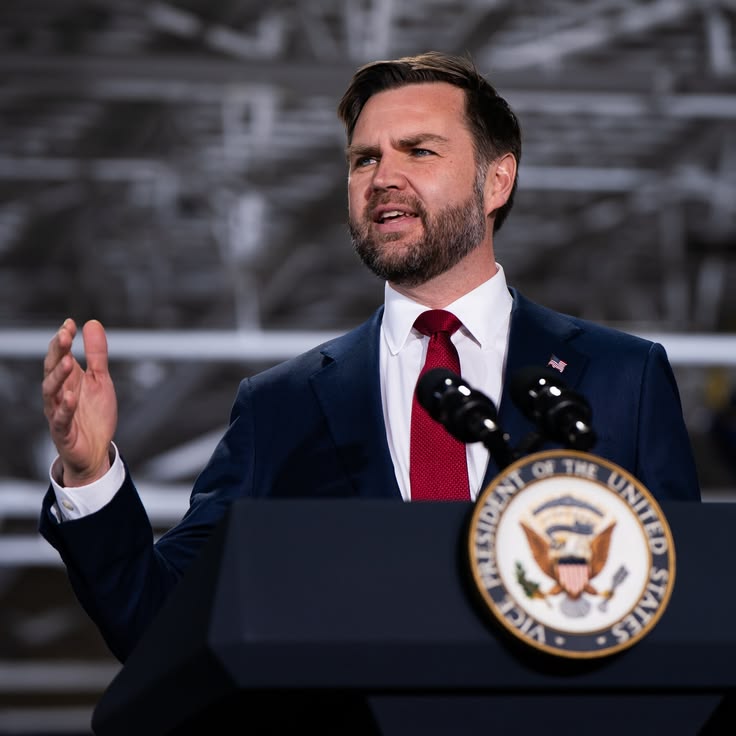
US Vice President JD Vance has said progress has been made in talks between Washington and Tehran over a potential deal to extend a Middle East ceasefire. However, the agreement still requires approval from President Donald Trump, while reports of ongoing violations and regional tensions continue to raise uncertainty.
US Vice President JD Vance has said that Washington and Tehran are making progress toward a potential agreement aimed at extending a fragile ceasefire in the Middle East, though the deal still awaits final approval from President Donald Trump.
Speaking to reporters, Vance said negotiations were ongoing and that both sides were close to resolving remaining technical and language issues.
He noted that the final decision ultimately rests with President Trump, who had yet to publicly confirm whether he would sign off on the memorandum of understanding.
The proposed agreement is expected to include measures allowing unrestricted commercial shipping through the strategic Strait of Hormuz, the removal of naval restrictions, and steps toward easing military tensions in the region.
Markets reacted positively to the possibility of a breakthrough, with Asian stocks rising and oil prices easing slightly amid hopes of reduced disruption to global energy supplies.
However, uncertainty remains as Iranian officials have not confirmed any final agreement, with reports from Tehran suggesting that discussions are still ongoing and no text has been fully finalised.
Iranian media also indicated that key mediators, including Pakistan, would be informed if a deal is reached, while Qatar has increasingly played a central role in facilitating dialogue between both sides.
The Gulf state recently hosted Iranian officials as part of broader diplomatic efforts to stabilise the region.
Despite ongoing negotiations, both the United States and Iran have accused each other of violating the existing ceasefire.
Reports of military exchanges, including strikes near key ports and drone interceptions in the Strait of Hormuz, have further heightened tensions.
Iranian state media claimed that several ships attempting to pass through the strait without authorisation were targeted, while US forces said they intercepted multiple drones in the area.
Elsewhere in the region, tensions linked to the wider conflict have also spilled into Lebanon, where reports indicate that Israeli strikes have damaged historical sites and caused civilian casualties despite an existing ceasefire agreement that remains largely unimplemented.
Authorities in Lebanon warned that cultural heritage sites near Tyre and Nabatieh are at risk due to continued military activity.
Both sides in the Lebanon front continue to accuse each other of violating truce conditions, further complicating efforts to stabilise the broader Middle East conflict.