Yobe, Adamawa, Borno Unveil Emergency Plans Ahead of Predicted Flooding
Authorities activate early warning systems, evacuations, drainage projects and relief measures to reduce flood risks across vulnerable communities
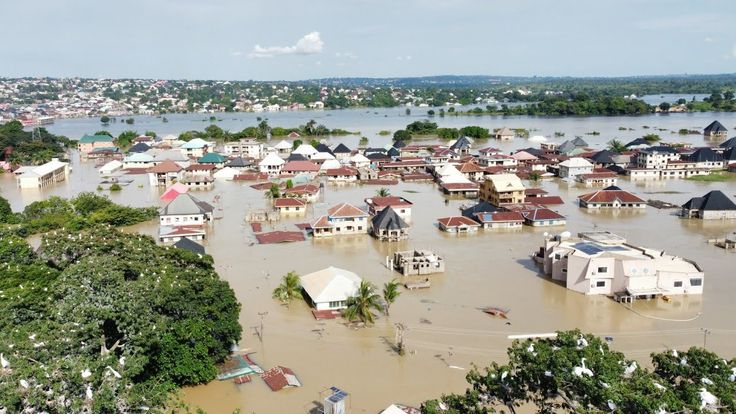
Yobe, Adamawa and Borno states have intensified preparations for anticipated flooding with emergency response measures including evacuations, river monitoring, demolition of structures on waterways, relief stockpiling and public awareness campaigns aimed at protecting lives and limiting damage during the rainy season.
The governments of Yobe, Adamawa and Borno states have announced comprehensive emergency preparedness measures in anticipation of possible flooding following recent forecasts by relevant weather and hydrological agencies.
The preparations follow predictions by the Nigerian Meteorological Agency (NiMet) and the Nigeria Hydrological Services Agency warning of potential flooding, windstorms and prolonged dry spells across parts of the country.
In Yobe State, the State Emergency Management Agency (YOSEMA) said it has strengthened disaster readiness through the deployment of real-time river monitoring platforms across vulnerable riverine communities.
According to Dr Ibrahim Jalo, Director of Search and Rescue Operations at YOSEMA, the agency has partnered with security agencies, government ministries, disability groups and humanitarian organisations to improve emergency coordination.
Jalo disclosed that Early Warning and Action Committees have been activated across local government areas to strengthen community-level disaster response.
He added that relief materials and food supplies have been reserved to support about 60,000 households, while 7,400 sandbags have been set aside for embankment construction in vulnerable locations.
Emergency supplies have also been strategically positioned in Damaturu, Potiskum and Geidam to enable rapid deployment if flooding occurs.
The agency further identified 12 flood-prone communities where residents may be relocated to safer locations if necessary, urging citizens to comply with evacuation directives and pay attention to early warning alerts.
In Adamawa State, the government announced plans to demolish buildings obstructing waterways as part of broader flood prevention efforts.
Permanent Secretary of the Ministry of Environment, Mrs Syngana Dahdah, said residents occupying marked structures are expected to vacate immediately.
She noted that the government has proposed drainage desilting and reconstruction projects in flood-affected areas including Shagari and Yolde Pate to improve water flow and reduce future flooding.
The ministry also plans to remove irrigation embankments built across natural waterways, which officials say have worsened flooding in several communities.
Meanwhile, the National Emergency Management Agency (NEMA) recently completed a flood awareness and preparedness campaign across Yola North and Yola South local government areas.
According to NEMA’s Zonal Director, Suleiman Yakubu, the campaign focused on improving public understanding of early warning systems, disaster preparedness and risk reduction during the rainy season.
In Borno State, authorities have begun relocating residents from flood-prone communities in Dikwa to safer shelters as part of efforts to minimise recurring flood disasters.
Director-General of the State Emergency Management Agency, Ali Abdullahi, said food supplies and humanitarian assistance are also being delivered to affected communities in Kala Balge, where annual flooding remains a major challenge.
He added that drainage clearance operations are ongoing across Maiduguri, with targeted interventions in flood-prone areas including Ajilari Cross, Kopa and Bulumkutu-Dala to improve water channels and reduce flood impact.
Officials across the three states say the coordinated response is aimed at protecting lives, safeguarding property and reducing the humanitarian consequences of seasonal flooding.