Pope Leo XIV Apologises for Church’s Historical Delay in Condemning Slavery

Pontiff describes centuries of silence as “a wound in Christian memory” while warning against modern forms of exploitation

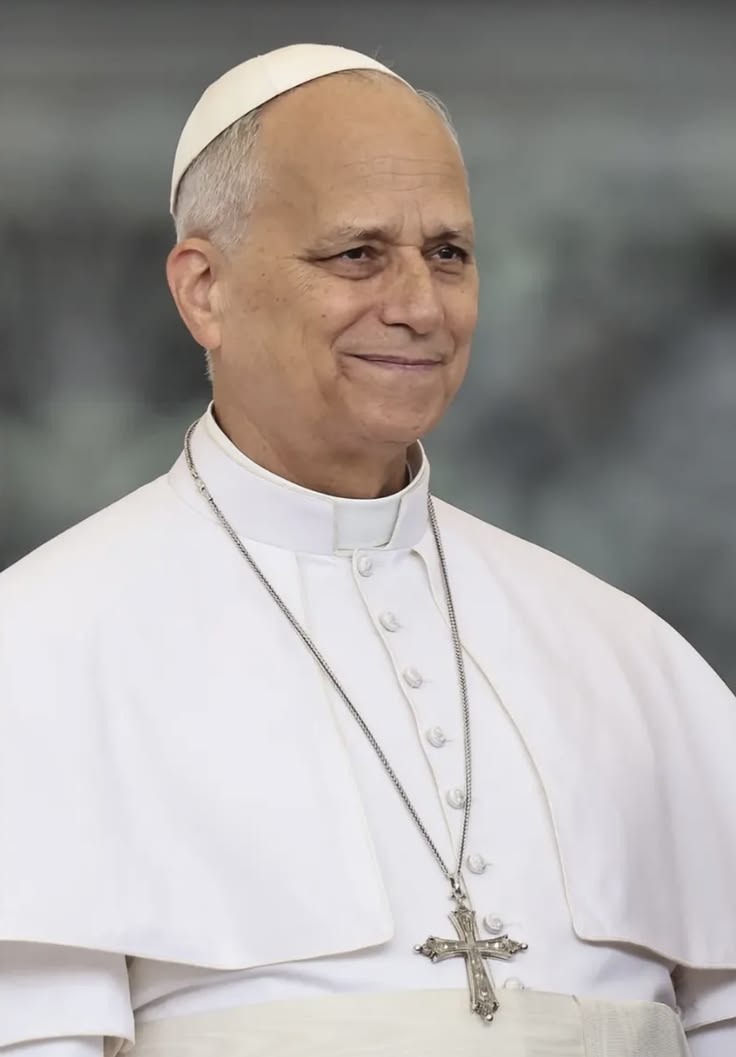
Pope Leo XIV has issued a formal apology for the Catholic Church’s delayed condemnation of slavery, acknowledging its historical involvement and describing the failure to act earlier as a lasting moral wound. The remarks were contained in his latest document addressing ethics and emerging global challenges.

0

Pope Leo XIV has formally apologised for the Catholic Church’s historical delay in condemning slavery, describing the institution’s past actions and inaction as a painful chapter in Christian history.

In a major document released on Monday titled Magnifica Humanitas (Magnificent Humanity), the Pope expressed regret over the Church’s slow response in denouncing slavery and acknowledged its historical ties to the practice.

“For this, in the name of the Church, I sincerely ask for pardon,” the Pope stated.

While the document focuses largely on the ethical and social implications of artificial intelligence, it also reflects on historical injustices and their continued relevance in modern society.

Pope Leo noted that the Church once owned slaves during parts of the Middle Ages and, at different moments in history, advised European rulers on arguments used to justify the enslavement of non-Christians.

According to the pontiff, it was not until the 19th century that the Church clearly adopted a formal and universal rejection of slavery.

He acknowledged that historical events should be understood within the context of their time but stressed that this should not excuse or minimise the delay in confronting the injustice.

The Pope described slavery as “a wound in Christian memory,” adding that the Church cannot separate itself from responsibility for its historical role.

Leo’s remarks build on previous acknowledgements by earlier popes. Pope John Paul II publicly denounced slavery and issued broad apologies for historical wrongs, while Pope Francis repeatedly spoke against modern forms of exploitation and human trafficking.

The latest statement also linked historical slavery to emerging concerns about exploitation in the digital era, warning that technological and economic developments must not create new systems that diminish human dignity.

Comments
Loading...

This website uses cookies to improve your experience. We'll assume you're ok with this, but you can opt-out if you wish. Accept Read More